
Schedule A — Questions and replies
Every question I put to Pride about Amos in July, and what came back. The reassessment criteria went from four, to one (“screaming in pain”), to a suggestion that I define my own.

Pragmatic engineering — architecture, infrastructure, and the lessons you only learn by breaking things.
Every question I put to Pride about Amos in July, and what came back. The reassessment criteria went from four, to one (“screaming in pain”), to a suggestion that I define my own.

IVC Evidensia closed my complaint about Amos’s care on 22 October. This is my reply: who wrote the clinical sections of its letter, why my six questions of 25 July went unanswered, and how the advice Amos was given compares with what the head of service has published on spinal infection.

My first reply to IVC doesn’t answer their letter. It answers what I found in the records they had withheld for four months, which reached me sixty-eight minutes after they told me their review was closed.

In a single day, a response to my complaint, the records I'd been requesting since July and a response (if you can call it that) to my subject access request. Wonder if someone found my blog?
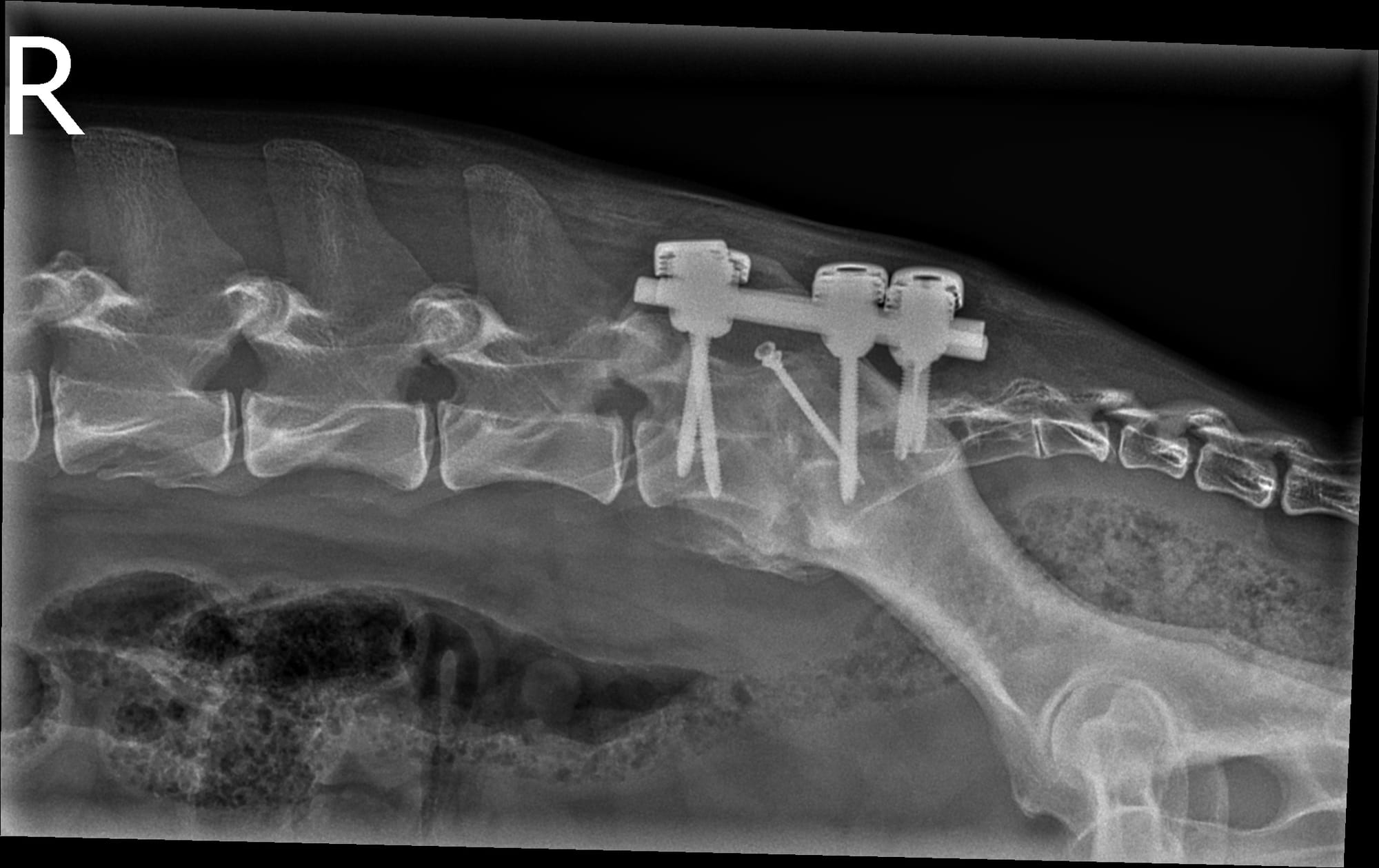
On 28 July 2026 my local vets at the time Gatehouse, Bingley took three x-rays of Amos's spine. Two specialist centres read those three images within forty-eight hours of each other. Here is what each of them wrote.
Red cells, the haemoglobin inside them, and the proteins that hold fluid in the vessels, all down by a quarter to just over a third in four days.
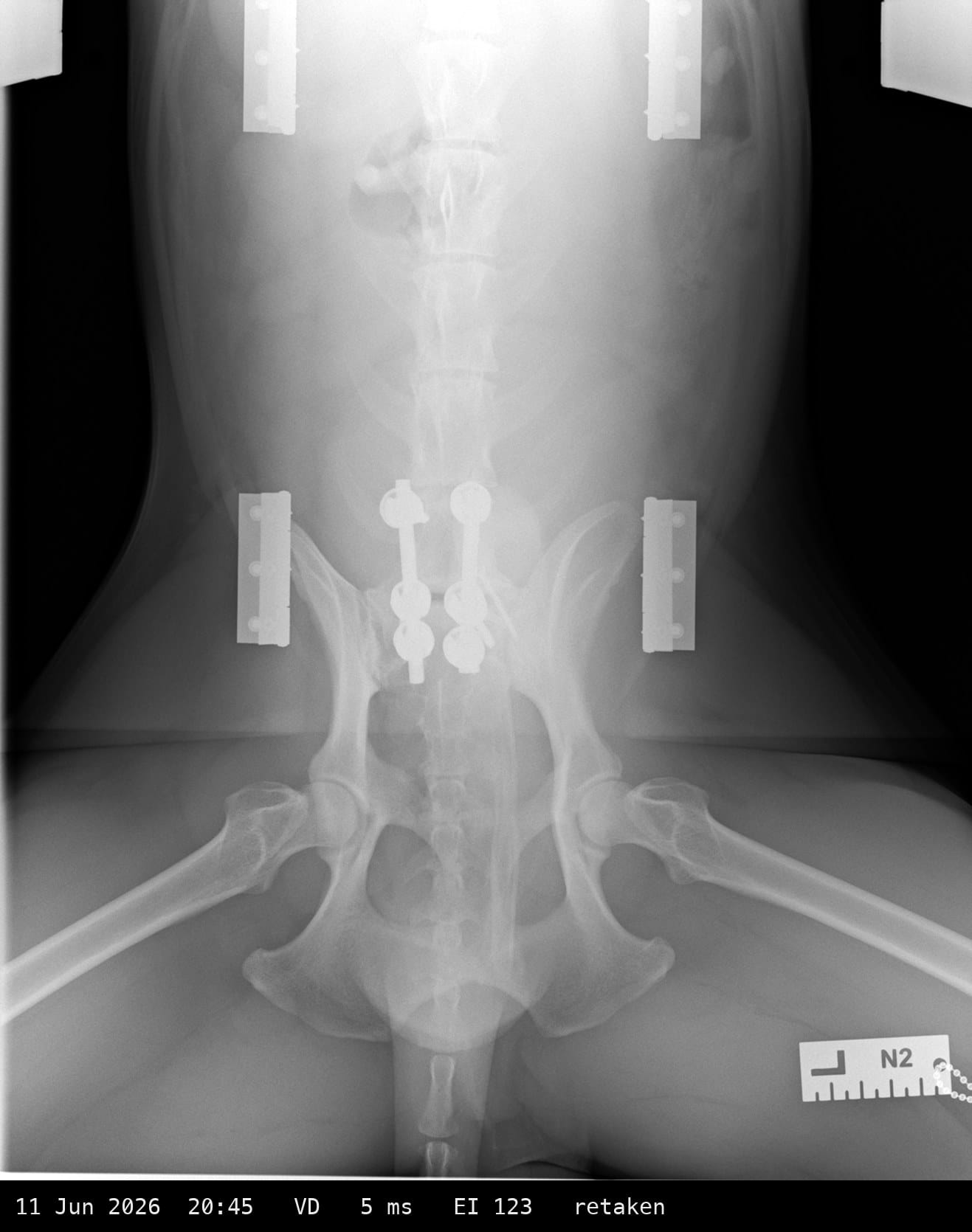
Done properly, the two views took three minutes. He had been on the x-ray table for thirty-five, after an eight hour twenty minute surgery, a good portion of it lying on the metal and the wound. And that’s only counting from the first exposure.
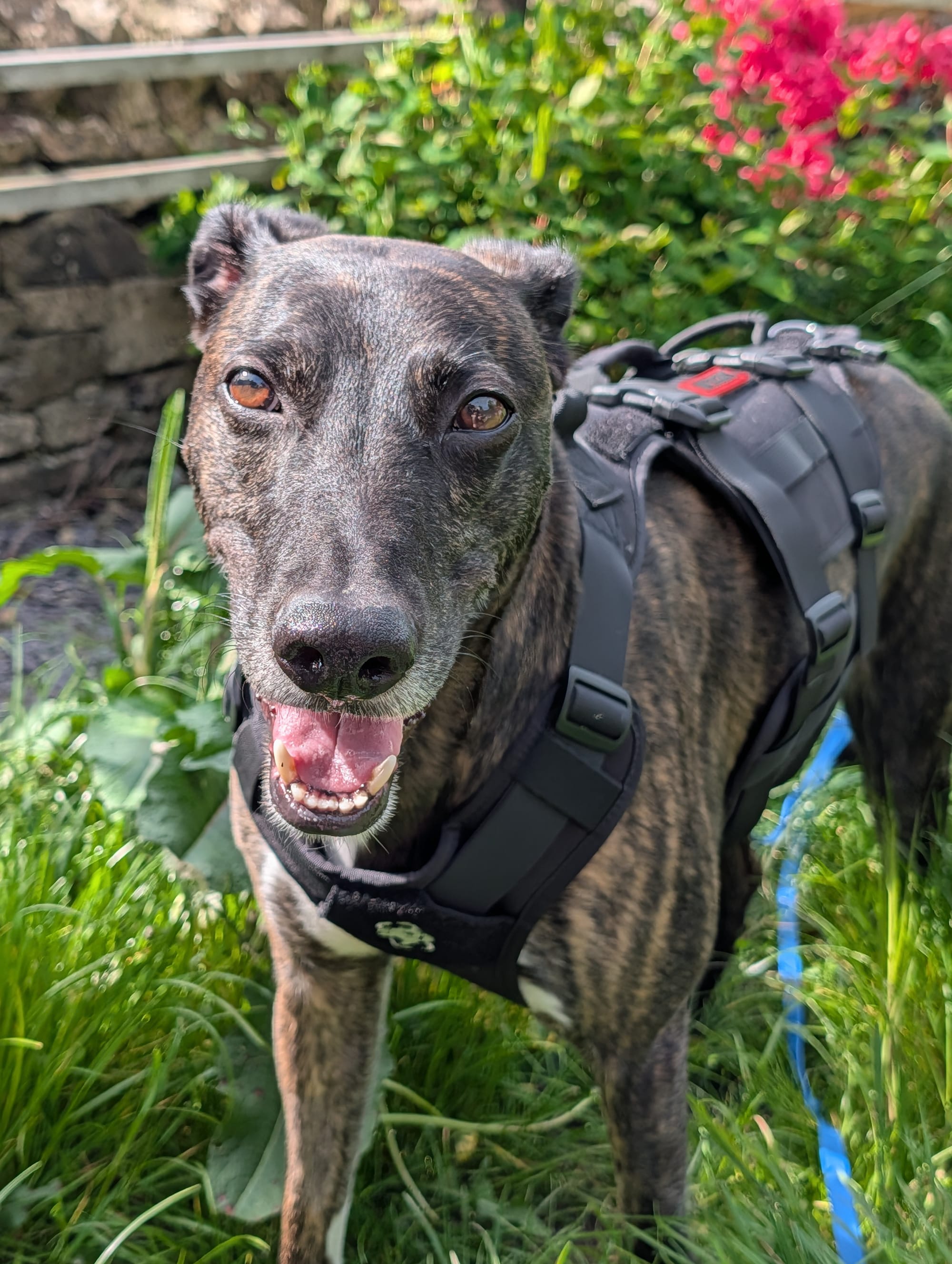
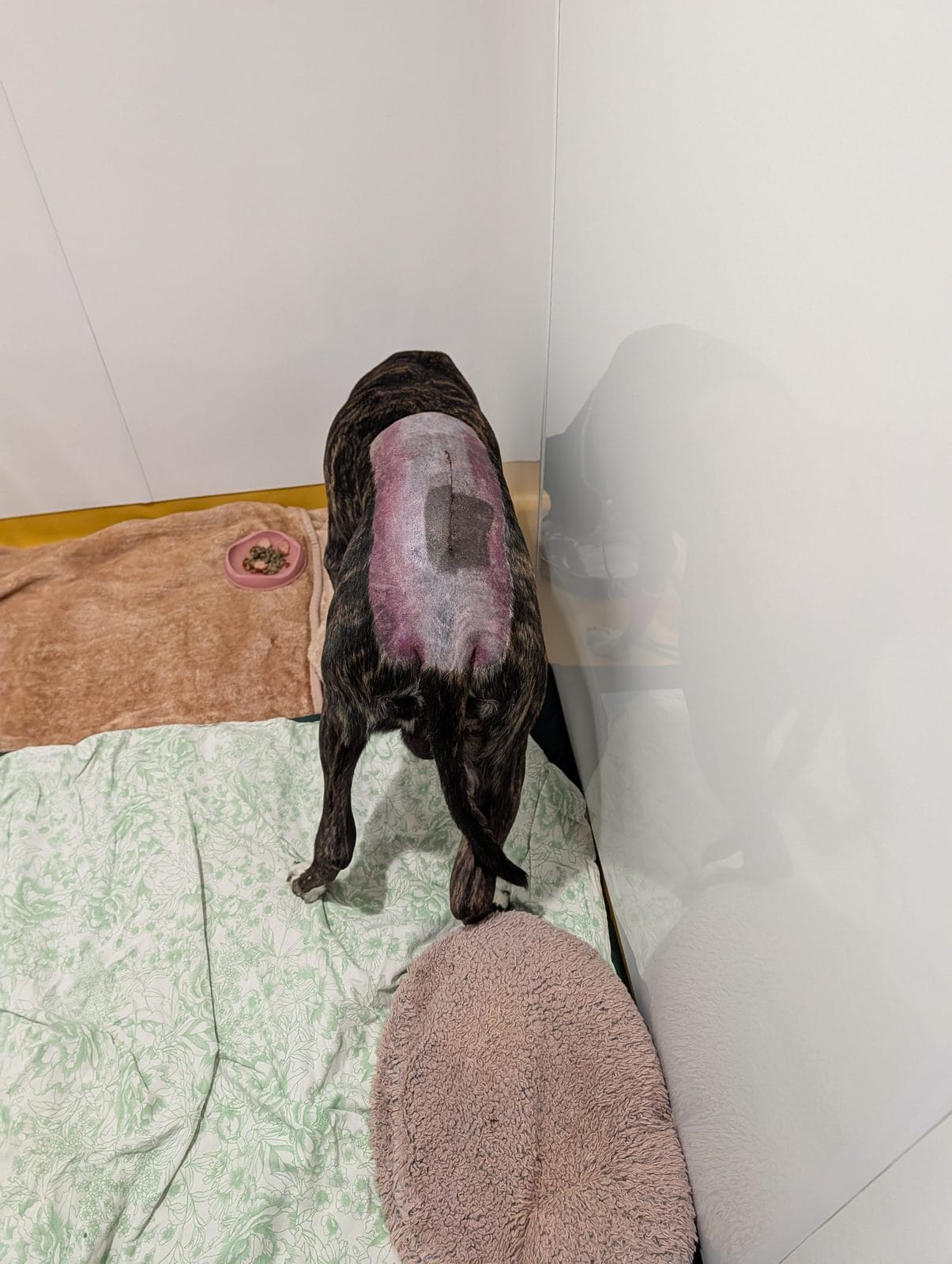
Amos had spinal surgery at Pride 11 June. He went back twice, in June and in July, each time shortly after of a course of antibiotics ran out. On 30 July he was diagnosed elsewhere with severe discospondylitis, an infection of the spine.